In education, artificial intelligence (AI) is becoming a significant force that is changing how teachers plan, evaluate, and interact with the children they teach as well as how students learn. As technology develops further, educators should think about how AI might be used properly and successfully to improve classroom creativity and human connection rather than replace it.
As a student teacher, I have utilized Canva's Magic tools, ChatGPT, and MagicSchool. Writing reflections, coming up with lesson ideas, and creating instructional materials have all benefited using ChatGPT. MagicSchool facilitates class preparation and the creation of explanations that are easy for students to understand. I can quickly create classroom visuals and presentations with Canva's Magic Write and design tools. The benefits of these AI tools include saving time, offering creative inspiration, and helping me organize ideas more efficiently. However I've also observed difficulties, like confirming the accuracy of the data AI offers and not relying too much on it for assignments that call for reflection or firsthand classroom experience.
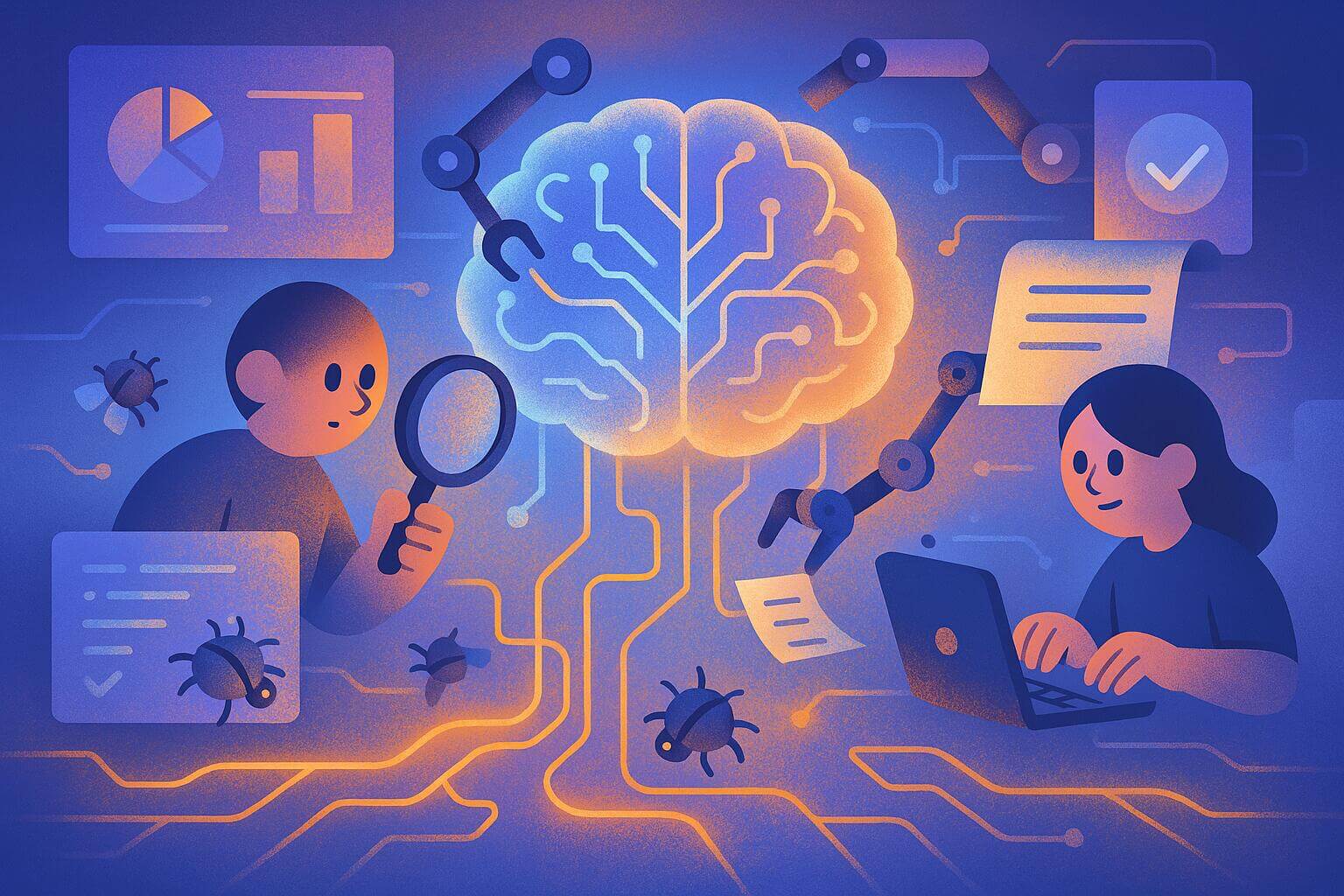
AI holds huge potential for helping students, teachers, andschools. It can provide feedback or grading, let teachers understand how their students are progressing, and help customize learning experiences. AI can help schools discover areas where children might need more support and ease communication. However, there are also practical and ethical issues that require serious consideration. Important factors to take into account include concerns about algorithmic bias, data privacy, and the loss of originality. Students should learn from their teachers how to use AI responsibly, which includes evaluating sources, considering generated content critically, and realizing that AI is a tool, not a substitute for human thought.
AI is likely to become more common in schools over the course of the next five years. AI can be used by educators to produce more accessible classes for a variety of learners, deliver real-time feedback, and create tailored learning pathways. Support that is tailored to each student and meets at their own speed may be beneficial. Unfortunately this also creates new problems, like making sure everyone has equal access to technology, stopping academic dishonesty, and preserving the personal connections that give learning purpose.
AI is reshaping the future of education, but its success depends on how we use it. By approaching AI with curiosity, caution, and responsibility, educators can create classrooms where technology enhances learning and supports every student’s growth.


No comments:
Post a Comment
Note: Only a member of this blog may post a comment.